Power Solutions Built Around Your Needs
Generator Installation & Backup Power FAQs
Whether you’re installing a standby generator, scheduling maintenance, or planning a backup power system for your home or business, My Generator Guy is here to help. Below are answers to common questions about generator installation, repair, maintenance, and backup power solutions. If you don’t see your question, contact our team at (925) 432-1155 and we’ll be happy to assist.
Generator Installation FAQs
?
How long does a generator installation take?
Most turnkey generator installations are completed within one to three days, depending on site preparation, fuel connections, electrical work, and permitting requirements. Our team handles the installation process, including generator placement, electrical connections, system testing, and startup.
?
What is included with a turnkey generator installation?
Our turnkey installations may include:
- Site evaluation and preparation
- Generator placement
- Concrete pad installation when required
- Gas or propane connections
- Automatic transfer switch installation
- Electrical connections
- System testing and startup
- Required permits and code compliance
- Customer orientation and documentation
?
Do I need a permit to install a generator?
Yes. Generator installations in California legally require applicable permits and must comply with local electrical, building, and safety codes. My Generator Guy can provide permit services as part of your generator installation, helping ensure the required permitting requirements are addressed properly.
?
How do I choose the right generator size?
Generator sizing depends on your property’s electrical demand, HVAC equipment, appliances, and the systems you want powered during an outage. We can assess your electrical needs and recommend an appropriately sized generator for your desired level of backup coverage.
Generator Maintenance FAQs
?
How often should my generator be serviced?
We recommend professional generator maintenance at least once every 12 months, along with regular exercise cycles as specified by the manufacturer. Routine maintenance helps keep the engine and electrical components operating properly while giving our technicians an opportunity to identify developing problems before they result in a larger repair.
?
What does generator maintenance include?
A typical maintenance visit may include:
- Oil and filter changes
- Air filter replacement
- Spark plug inspection or replacement
- Battery inspection
- Coolant inspection where applicable
- Fuel system inspection
- Electrical connections check
- System diagnostics
- Test run under normal operating conditions
The exact maintenance requirements can vary depending on the generator’s make, model, operating conditions, and manufacturer’s recommendations. We can help determine the appropriate maintenance services for your system.
?
Why should my generator run every month?
Regular exercise cycles help keep the battery charged, circulate engine fluids, and identify potential issues before a power outage occurs. Following the exercise schedule recommended for your generator helps keep the system prepared for operation between professional maintenance visits.
?
What is remote generator monitoring?
Remote monitoring uses an appropriate communications connection to track generator status, maintenance information, operating history, and system alerts. It can help identify potential issues early and provide greater visibility into your backup power system.
Spark Plug FAQs
?
When should generator spark plugs be replaced?
Spark plugs can become worn, fouled, or damaged over time, which may affect starting, engine performance, and fuel efficiency. Replacement intervals vary by generator model and manufacturer recommendations. During maintenance, we can inspect the spark plugs and determine whether cleaning, adjustment, or replacement is appropriate.
?
What are signs that generator spark plugs may need attention?
Difficulty starting, rough engine operation, reduced performance, or unusual engine behavior can sometimes indicate worn or fouled spark plugs. These symptoms can also have other causes, so professional diagnosis can help determine whether the spark plugs or another component is responsible.
Valve Adjustment FAQs
?
What is a generator valve adjustment?
A valve adjustment involves checking and, when necessary, correcting the clearance between engine valve components. Proper valve clearance helps the engine operate efficiently and can support reliable starting and performance.
?
Why is valve adjustment important for a generator?
Incorrect valve clearance can contribute to poor engine performance, difficult starting, unusual noises, or other operating problems. Valve adjustment should be performed according to the requirements for your specific generator model. We can inspect the system and determine whether this service is appropriate during maintenance.
Generator Repair FAQs
?
Why won’t my generator start?
Common causes include:
- Dead or weak battery
- Low oil level
- Worn or fouled spark plugs
- Stale or inadequate fuel
- Faulty transfer switch
- Blown fuse
- Electrical component failure
Our technicians can diagnose the underlying issue and determine the appropriate repair to restore your backup power system.
?
Why is my generator making unusual noises?
Knocking, grinding, rattling, or excessive vibration may indicate worn components, loose hardware, engine problems, improper valve clearance, or other mechanical issues. If your generator begins making unusual sounds, turn it off if safe to do so and schedule professional service.
?
My generator is running but not producing power. What could be wrong?
This may be caused by a failed voltage regulator, damaged alternator components, a tripped breaker, wiring issues, or transfer switch problems. Professional diagnosis is recommended to safely identify and correct the issue.
?
When should I call for emergency generator service?
Contact us if your generator:
- Won’t start
- Stops running unexpectedly
- Produces unusual noises or smoke
- Won’t transfer power to your property
- Is running but not generating electricity
- Shows warning indicators or fault codes
Transfer Switch & Electrical FAQs
?
What does a transfer switch do?
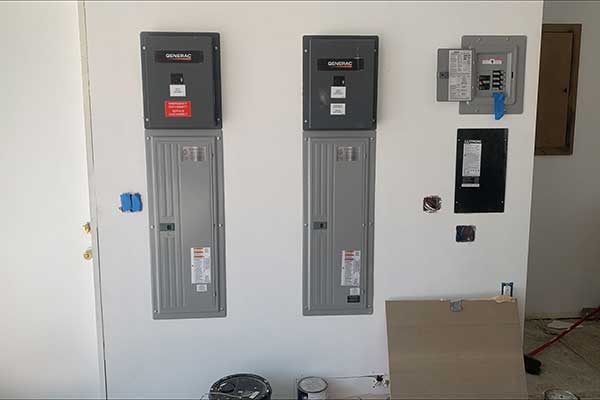
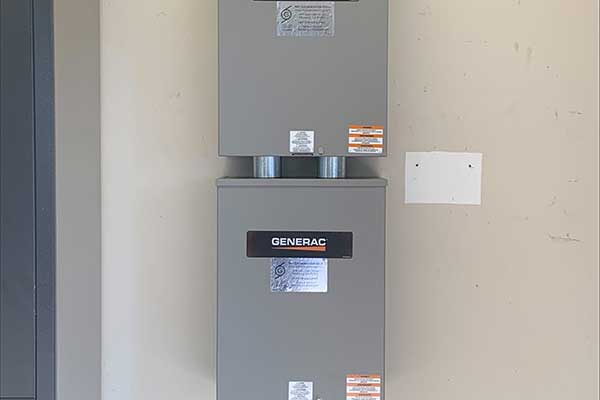
An automatic transfer switch detects a power outage, starts the generator, and safely transfers your property’s electrical load from utility power to the generator. When utility power returns, it switches the electrical load back to the utility according to the system’s operating sequence.
?
Why is a transfer switch important?
A properly installed transfer switch helps prevent dangerous backfeeding into utility lines while allowing power to transition safely between the utility and generator.
?
Will my electrical panel need to be upgraded?
Some electrical panels may require upgrades or modifications before a standby generator, solar system, battery, or EV charger can be installed. We can inspect your existing electrical service and recommend appropriate improvements based on the equipment being added and your property’s electrical requirements.
Generator & Solar FAQs
?
Can a generator work with a solar power system?
Yes. Generators can be integrated with many solar power systems when the equipment and electrical design support the configuration. Proper integration requires careful planning to ensure the generator, solar equipment, electrical panel, and other components operate safely together.
?
Can a generator charge an electric vehicle?
In many applications, a generator can be integrated with battery storage as part of a broader backup power strategy. The appropriate configuration depends on the equipment, electrical system, and desired backup capabilities. We can evaluate your setup and advise on compatible electrical solutions.
?
Can a generator charge an electric vehicle?
A properly sized generator may be able to provide power for an EV charger during an outage, depending on the generator’s capacity and the property’s overall electrical demand. We can evaluate the electrical requirements and determine whether your generator and charging equipment are appropriately configured.
Generator Types & Performance
?
What’s the difference between air-cooled and liquid-cooled generators?
Air-cooled generators are commonly used for residential applications and are generally suited to properties with moderate backup power requirements. Liquid-cooled generators are designed for higher power demands and larger applications. The right choice depends on your property’s electrical load, desired coverage, and generator requirements.
?
What is load testing?
Load testing evaluates whether a generator can safely deliver its rated electrical output under an appropriate operating load. Unlike a basic startup test, load testing provides a more thorough assessment of the generator’s ability to handle electrical demand.
?
What’s the difference between maintenance and load testing?
Routine maintenance focuses on keeping the generator’s engine, electrical components, and supporting systems in good working condition. Load testing evaluates the generator’s ability to deliver electrical power under load. Both can play an important role in maintaining dependable backup power.
Still Have Questions?
Whether you’re planning a new standby generator installation, need generator repairs, want to relocate or upgrade an existing system, or are considering solar and battery integration, My Generator Guy can help. We serve the State Bay Area with dependable backup power solutions, professional installation, permit services, maintenance, and honest recommendations.
Contact My Generator Guy at (925) 432-1155 to schedule a consultation, request service, or learn more about keeping your property powered through an outage.